

📝 Recent Activity
- 18 Apr 2026 14:47
- 18 Apr 2026 14:47
- 16 Apr 2026 14:10
👥 KeyCircle Insights
Traditional Sale vs Auction � Knowing When Each Strategy Wins
01 Feb 2026
👁0
❤️ 0
📖3
Login to like
When Historic Area Prices Become Opportunity Killers
22 Jan 2026 · Edited

👁0
❤️ 2
📖6
Login to like
How shopping centre development across South Africa could impact your property investment
17 Dec 2025




👁55
❤️ 9
📖4
Login to like
📌 Weekly Performance
Total Guesses: 0 | Close: 0 | Perfect: 0
No achievements yet this week
📈 Weekly Accuracy Trend
📊 Recent Property Valuations
📈 Valuation Trend
Total Graded: 50
Avg Score: 4.9/5
Common Grade: Ultra Luxury
Verified: 100%
🎯 Category Strengths
📈 Grading Trend Over Time
🗂️ Graded Properties
| # | Property | Overall | Grade | Verified | Remarks | Date |
|---|---|---|---|---|---|---|
| 1 |
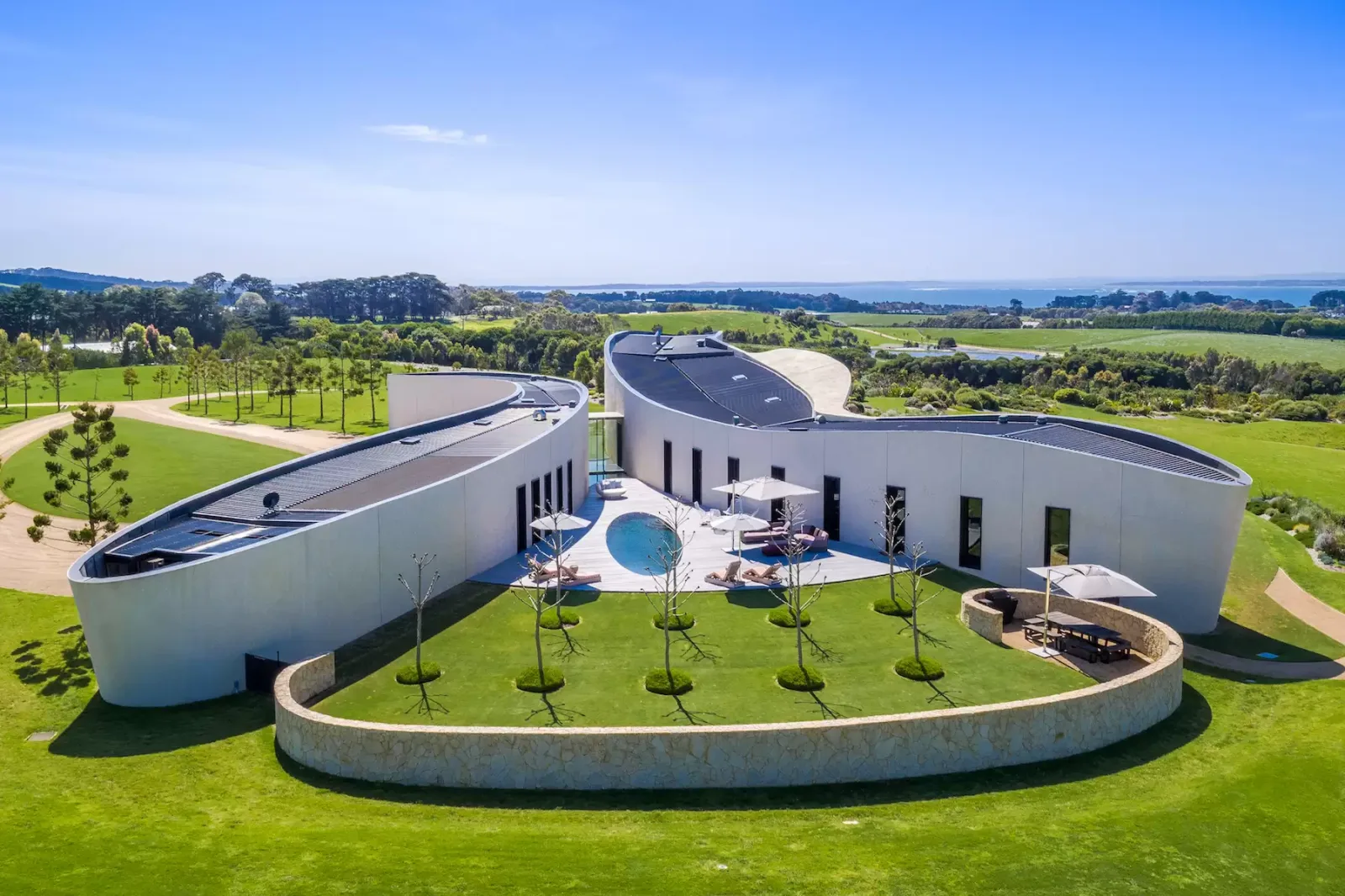
|
5.00/5 | Ultra Luxury | ✅ | Strong commercial appeal for functions and large gatherings. | 18 Apr 2026 |
| 2 |

|
5.00/5 | Ultra Luxury | ✅ | Property demonstrates excellent value for the price. | 16 Apr 2026 |
| 3 |

|
5.00/5 | Ultra Luxury | ✅ | Strong potential for rental income or investment return. | 16 Apr 2026 |
| 4 |

|
5.00/5 | Ultra Luxury | ✅ | Excellent overall quality with luxury finishes and modern design. | 16 Apr 2026 |
| 5 |

|
5.00/5 | Ultra Luxury | ✅ | Excellent overall quality with luxury finishes and modern design. | 16 Apr 2026 |
| 6 |
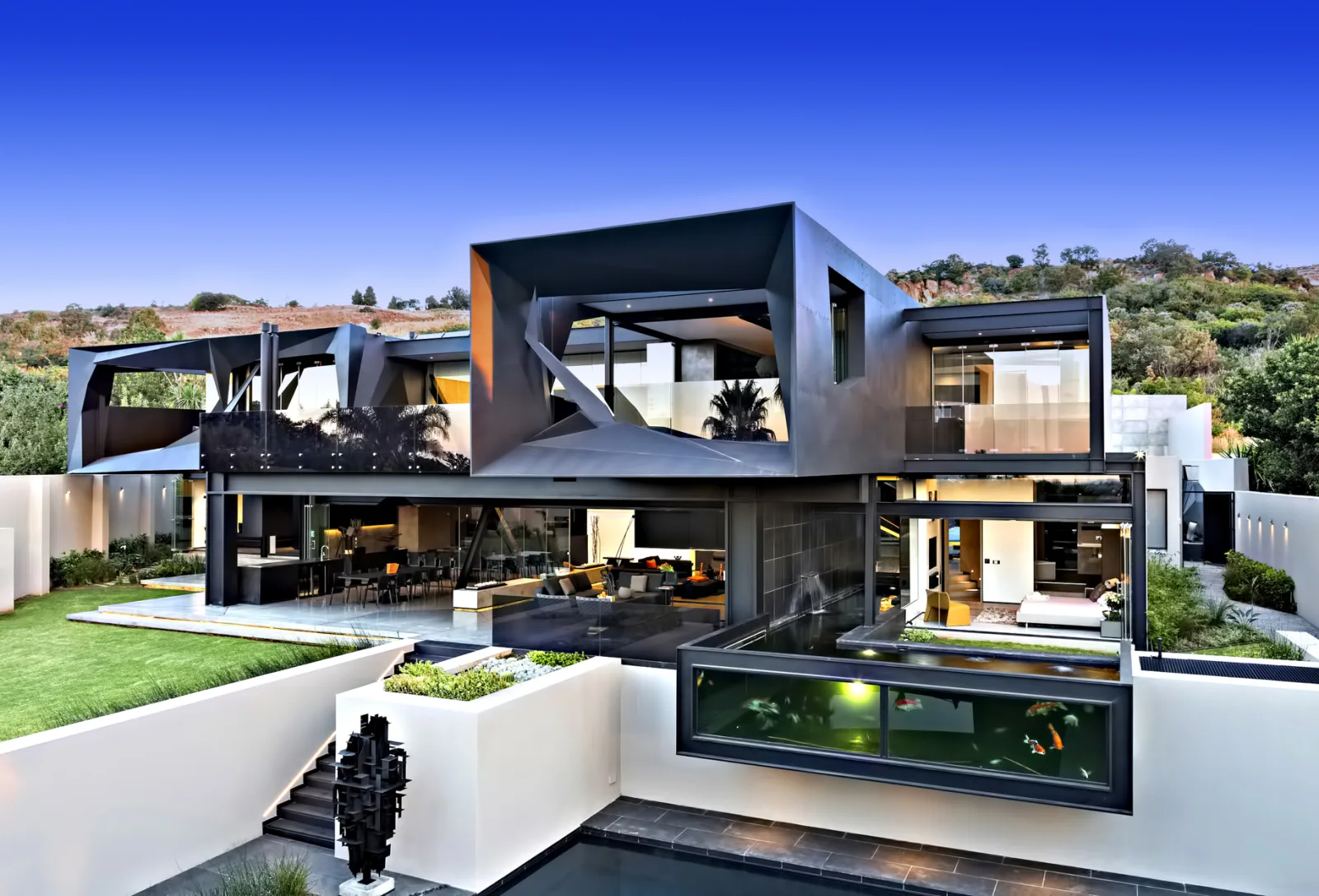
|
5.00/5 | Ultra Luxury | ✅ | Unique design elements that distinguish the property from others. | 16 Apr 2026 |
| 7 |
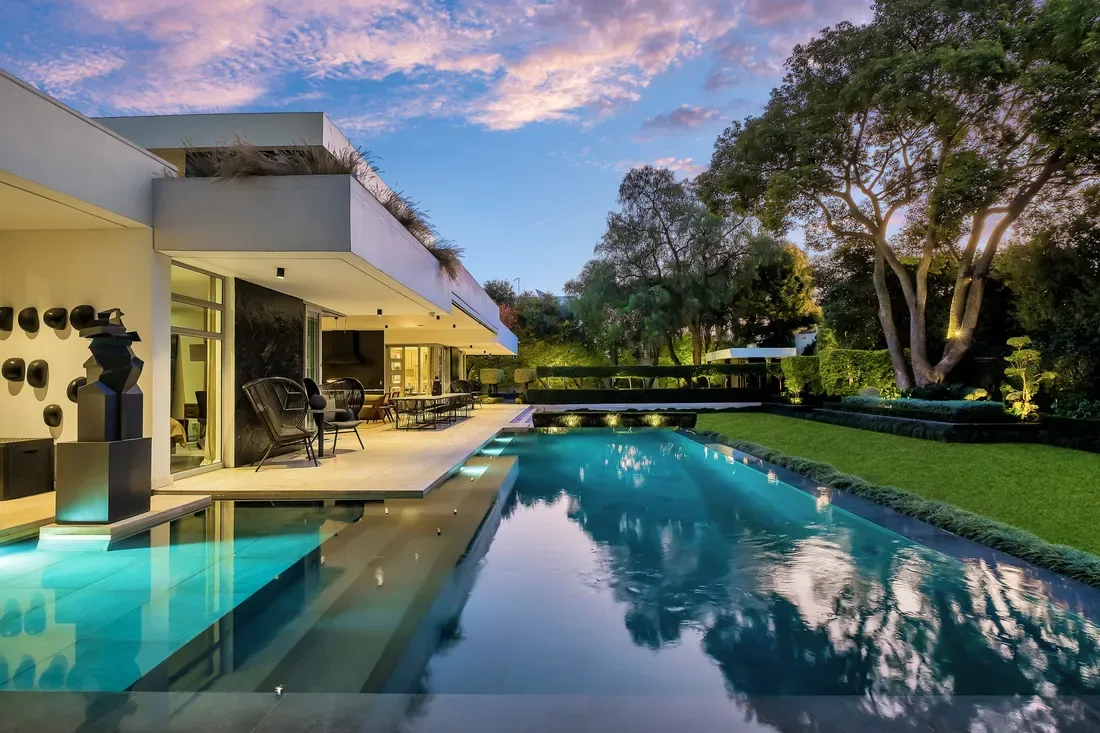
|
4.86/5 | Ultra Luxury | ✅ | Property demonstrates excellent value for the price. | 04 Apr 2026 |
| 8 |

|
4.86/5 | Ultra Luxury | ✅ | Exceptional finishing in kitchens and bathrooms. | 04 Apr 2026 |
| 9 |
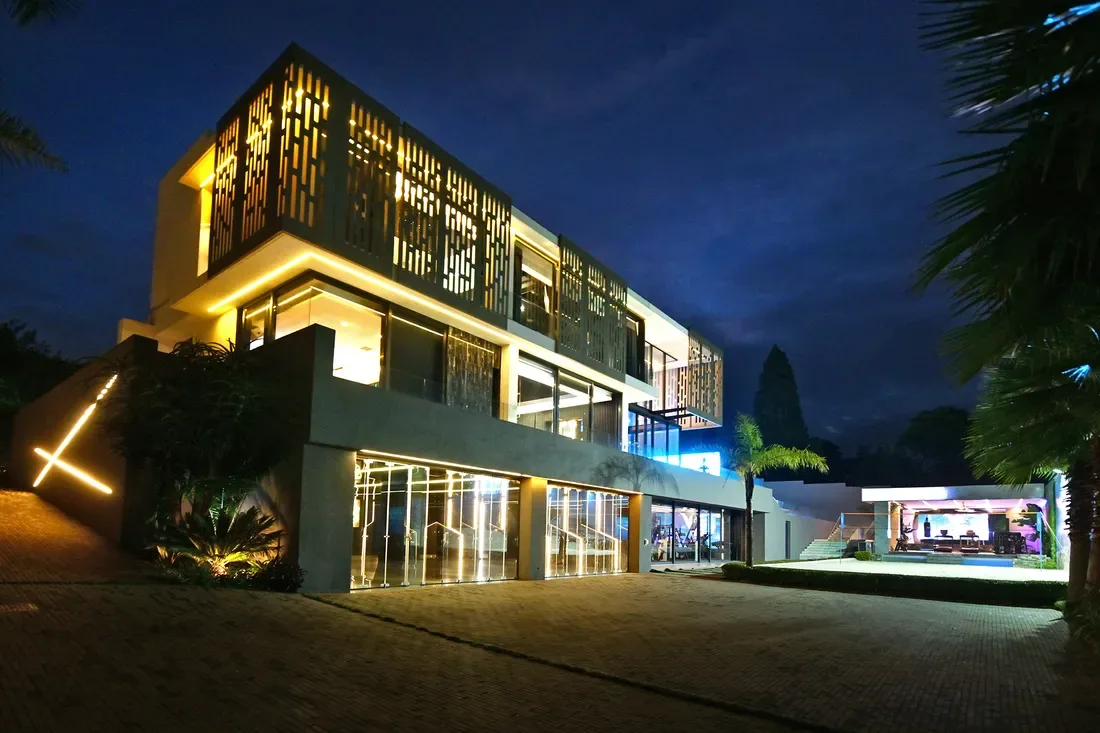
|
5.00/5 | Ultra Luxury | ✅ | Excellent overall quality with luxury finishes and modern design. | 04 Apr 2026 |
| 10 |
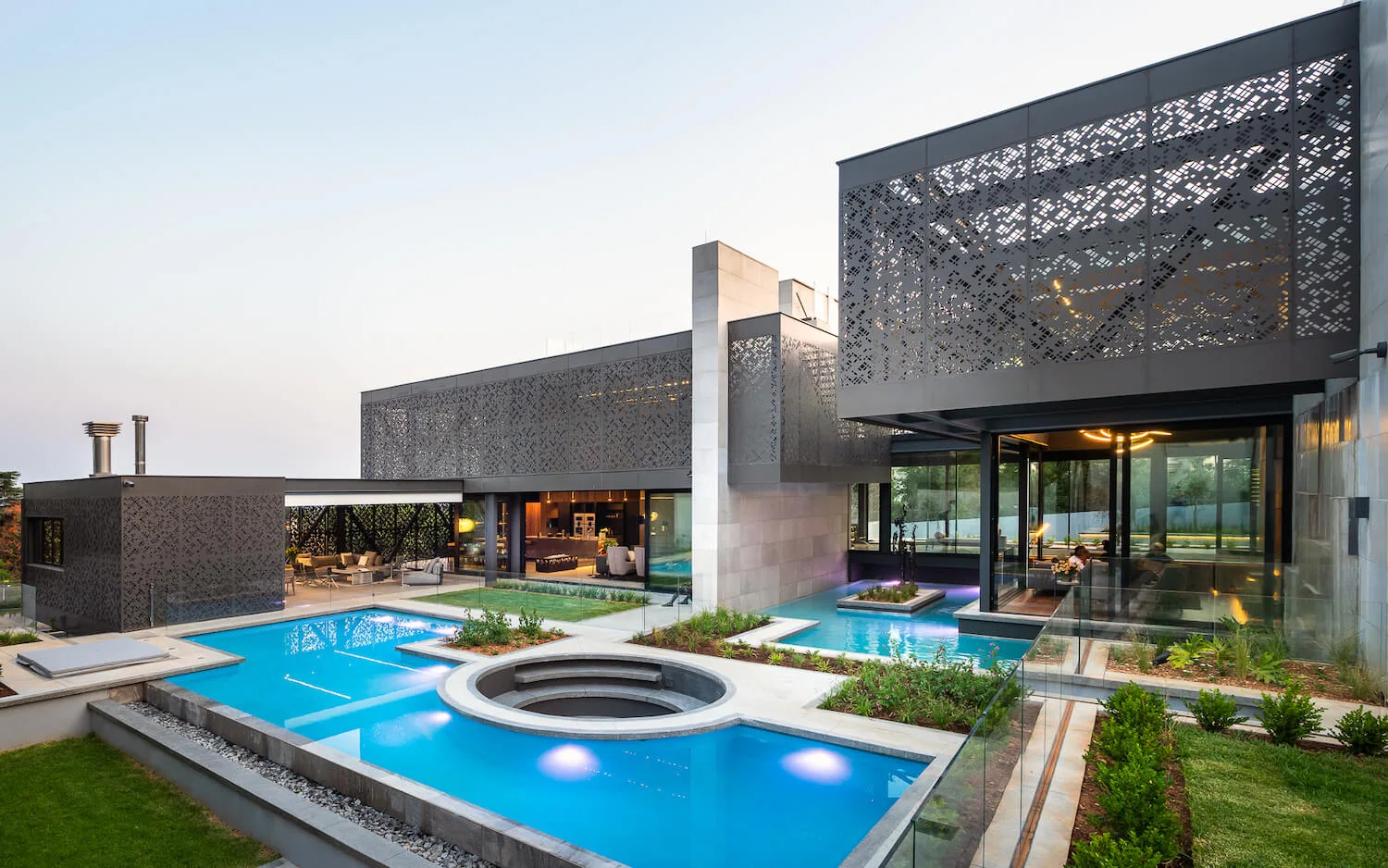
|
5.00/5 | Ultra Luxury | ✅ | Unique design elements that distinguish the property from others. | 04 Apr 2026 |
| 11 |

|
5.00/5 | Ultra Luxury | ✅ | Perfect holiday retreat with relaxing surroundings and strong vacation appeal. | 17 Mar 2026 |
| 12 |

|
4.57/5 | Luxury | ✅ | Perfect holiday retreat with relaxing surroundings and strong vacation appeal. | 17 Mar 2026 |
| 13 |

|
5.00/5 | Ultra Luxury | ✅ | Property has strong market appeal and premium potential. | 17 Mar 2026 |
| 14 |
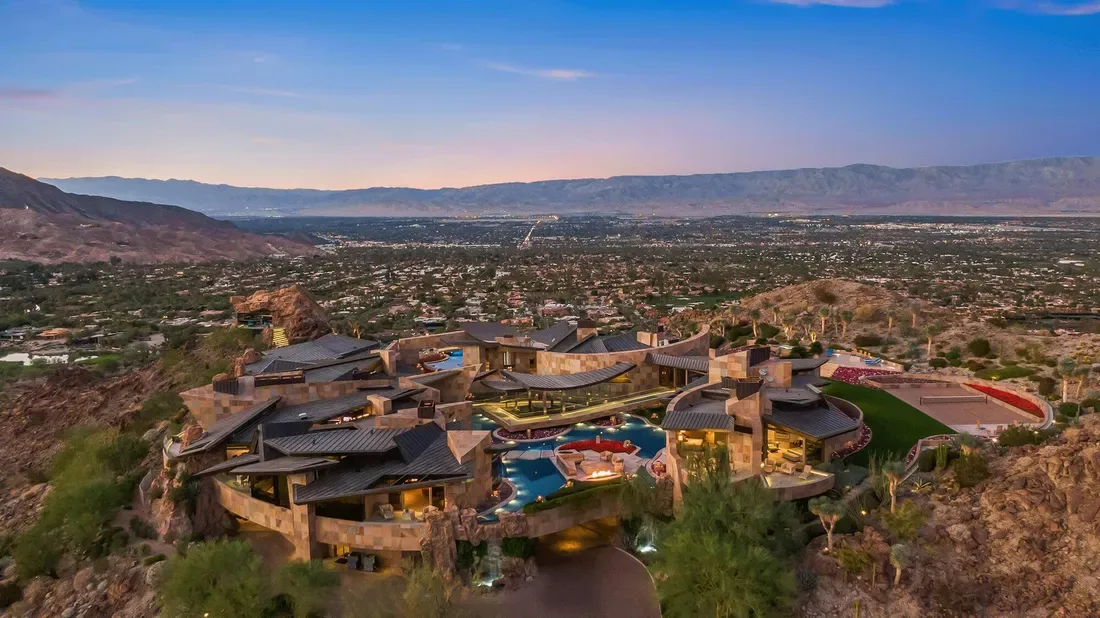
|
5.00/5 | Ultra Luxury | ✅ | Unique design elements that distinguish the property from others. | 17 Mar 2026 |
| 15 |

|
5.00/5 | Ultra Luxury | ✅ | Excellent overall quality with luxury finishes and modern design. | 10 Mar 2026 |
| 16 |

|
5.00/5 | Ultra Luxury | ✅ | High-quality construction with good attention to detail. | 10 Mar 2026 |
| 17 |

|
4.43/5 | Premium | ✅ | Property demonstrates excellent value for the price. | 10 Mar 2026 |
| 18 |

|
5.00/5 | Ultra Luxury | ✅ | Property demonstrates excellent value for the price. | 10 Mar 2026 |
| 19 |

|
5.00/5 | Ultra Luxury | ✅ | Excellent overall quality with luxury finishes and modern design. | 10 Mar 2026 |
| 20 |

|
5.00/5 | Ultra Luxury | ✅ | Excellent overall quality with luxury finishes and modern design. | 15 Feb 2026 |
| 21 |

|
4.86/5 | Ultra Luxury | ✅ | High-quality construction with good attention to detail. | 21 Jan 2026 |
| 22 |

|
5.00/5 | Ultra Luxury | ✅ | Exceptional finishing in kitchens and bathrooms. | 21 Jan 2026 |
| 23 |

|
4.86/5 | Ultra Luxury | ✅ | Exceptional finishing in kitchens and bathrooms. | 21 Jan 2026 |
| 24 |

|
4.86/5 | Ultra Luxury | ✅ | Property demonstrates excellent value for the price. | 21 Jan 2026 |
| 25 |
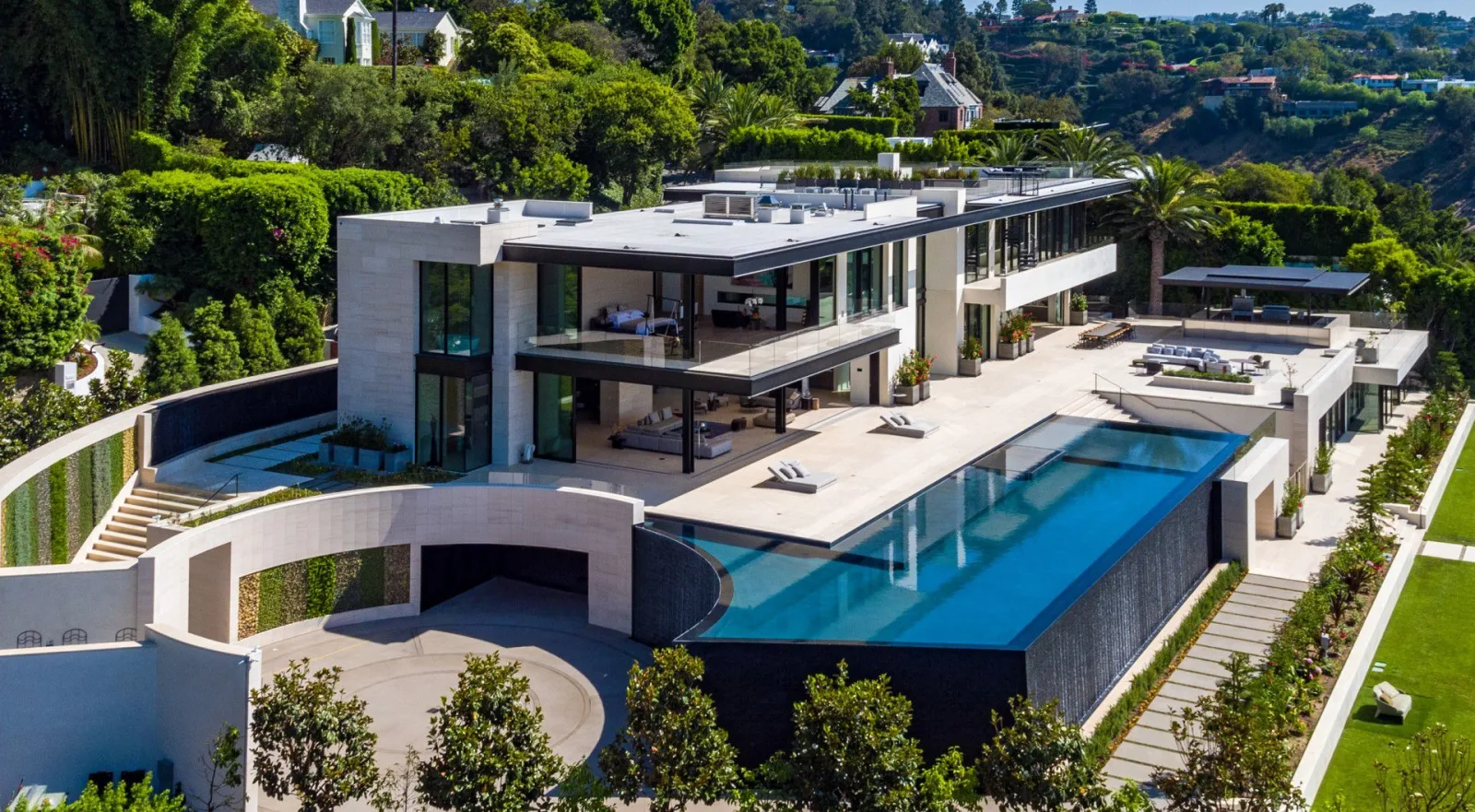
|
5.00/5 | Ultra Luxury | ✅ | Excellent overall quality with luxury finishes and modern design. | 21 Jan 2026 |
| 26 |

|
5.00/5 | Ultra Luxury | ✅ | Excellent overall quality with luxury finishes and modern design. | 21 Jan 2026 |
| 27 |

|
5.00/5 | Ultra Luxury | ✅ | Excellent overall quality with luxury finishes and modern design. | 21 Jan 2026 |
| 28 |

|
5.00/5 | Ultra Luxury | ✅ | Unique design elements that distinguish the property from others. | 14 Jan 2026 |
| 29 |
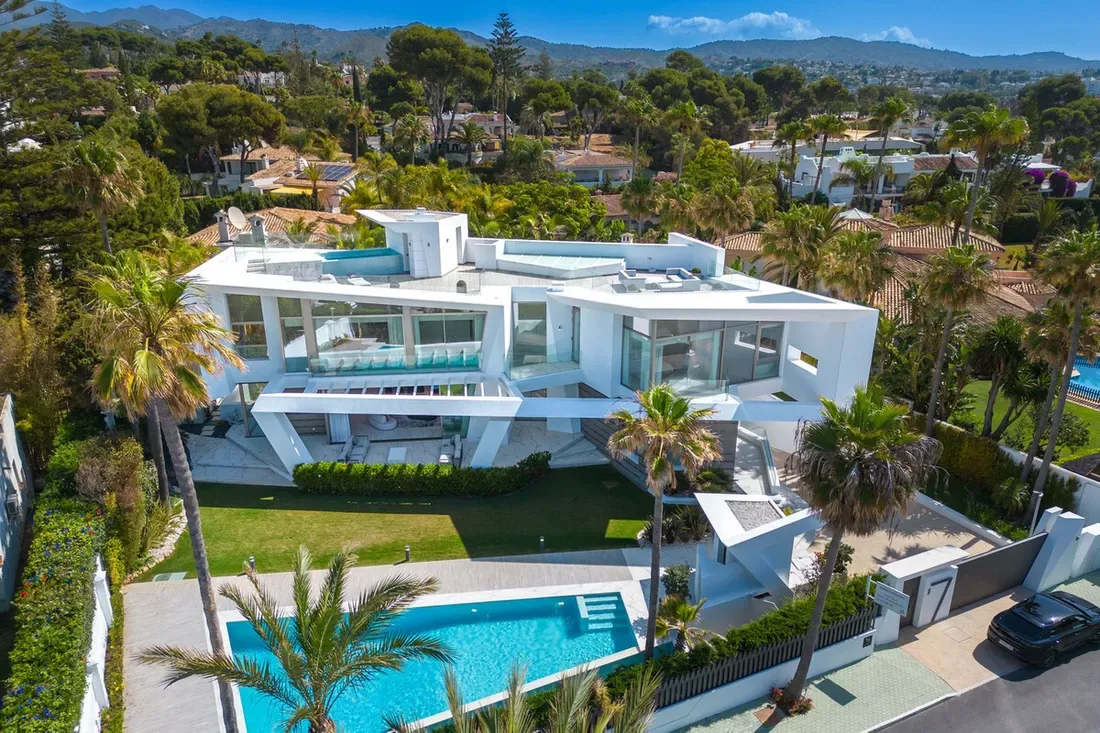
|
5.00/5 | Ultra Luxury | ✅ | Unique design elements that distinguish the property from others. | 14 Jan 2026 |
| 30 |

|
5.00/5 | Ultra Luxury | ✅ | Excellent overall quality with luxury finishes and modern design. | 14 Jan 2026 |
| 31 |

|
4.86/5 | Ultra Luxury | ✅ | High-quality construction with good attention to detail. | 14 Jan 2026 |
| 32 |

|
5.00/5 | Ultra Luxury | ✅ | Excellent overall quality with luxury finishes and modern design. | 18 Dec 2025 |
| 33 |

|
4.86/5 | Ultra Luxury | ✅ | Exceptional architecture with innovative design features. | 18 Dec 2025 |
| 34 |

|
5.00/5 | Ultra Luxury | ✅ | Property demonstrates excellent value for the price. | 18 Dec 2025 |
| 35 |

|
5.00/5 | Ultra Luxury | ✅ | Excellent overall quality with luxury finishes and modern design. | 13 Dec 2025 |
| 36 |

|
5.00/5 | Ultra Luxury | ✅ | Excellent overall quality with luxury finishes and modern design. | 13 Dec 2025 |
| 37 |

|
5.00/5 | Ultra Luxury | ✅ | Excellent overall quality with luxury finishes and modern design. | 10 Dec 2025 |
| 38 |

|
5.00/5 | Ultra Luxury | ✅ | Unique design elements that distinguish the property from others. | 08 Dec 2025 |
| 39 |

|
5.00/5 | Ultra Luxury | ✅ | Perfect holiday retreat with relaxing surroundings and strong vacation appeal. | 07 Dec 2025 |
| 40 |
|
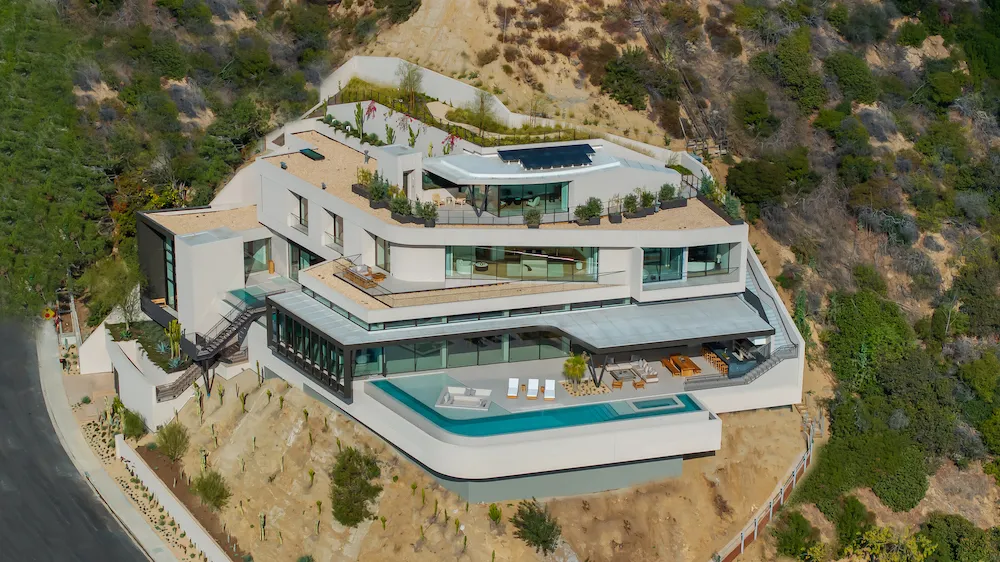
5.00/5 | Ultra Luxury | ✅ | Perfect holiday retreat with relaxing surroundings and strong vacation appeal. | 07 Dec 2025 |
| 41 |

|
4.71/5 | Luxury | ✅ | High-quality construction with good attention to detail. | 06 Dec 2025 |
| 42 |

|
4.14/5 | Premium | ✅ | Developer has strong track record; property well-maintained. | 06 Dec 2025 |
| 43 |

|
4.71/5 | Luxury | ✅ | Perfect holiday retreat with relaxing surroundings and strong vacation appeal. | 30 Nov 2025 |
| 44 |

|
5.00/5 | Ultra Luxury | ✅ | Excellent amenities and lifestyle-oriented features. | 24 Nov 2025 |
| 45 |

|
5.00/5 | Ultra Luxury | ✅ | High-quality construction with good attention to detail. | 24 Nov 2025 |
| 46 |

|
5.00/5 | Ultra Luxury | ✅ | Excellent overall quality with luxury finishes and modern design. | 19 Nov 2025 |
| 47 |

|
4.86/5 | Ultra Luxury | ✅ | Excellent overall quality with luxury finishes and modern design. | 16 Nov 2025 |
| 48 |

|
4.57/5 | Luxury | ✅ | Excellent amenities and lifestyle-oriented features. | 16 Nov 2025 |
| 49 |

|
4.57/5 | Luxury | ✅ | Excellent amenities and lifestyle-oriented features. | 16 Nov 2025 |
| 50 |

|
4.57/5 | Luxury | ✅ | Landscaping and external features enhance property value. | 16 Nov 2025 |